Showing posts with label Chernobyl. Show all posts

Sunday, June 26, 2011

26/06 VOX POPULI: Government sugarcoats dangerous reality of nuclear power plants


Vox Populi, Vox Dei is a daily column that runs on Page 1 of the vernacular Asahi Shimbun.
2011/06/26

The year 1986 was a veritable annus horribilis for science and technology. The U.S. Space Shuttle Challenger exploded shortly after liftoff in January. Then came the Chernobyl meltdown in April.

Back then, the probability of a Space Shuttle failure was believed to be 1-in-100,000. That meant just one failure in 300 years of daily launches.

This "safety myth" was debunked by the Rogers Commission, a presidential commission tasked with investigating the Challenger disaster. Richard Feynman (1918-1988), a Nobel laureate physicist and one of the best-known members of the commission, likened the risk inherent in shuttle launches to Russian roulette--a dangerous gamble in which the player closes his eyes to "inconvenient truth."

In Japan, the probability of a nuclear accident was said to be "1-in-5 billion, comparable to being hit by a meteor." I'd say this was more lie than myth.

An accident did occur at the Fukushima No. 1 nuclear power plant. But even though the situation has yet to be brought under control, economy minister Banri Kaieda has declared other plants safe and called for them to resume operations.

Does anyone really believe him?

The economy ministry is a party involved in the accident. Kaieda may be likened to a bankrupt person offering security for someone taking out a loan.

Now that conventional safety measures have proved useless, how could anyone talk so casually about safety?

In Saga Prefecture, a meeting was slated for June 25 to explain to citizens about the resumption of operations at the Genkai nuclear power plant. But as I understand it, only a few citizens, selected by the central government, were allowed to attend. This format tells us a lot about how the government goes about its business. It certainly doesn't get my vote.

Feynman battled cancer while he investigated the Challenger disaster. In his report, titled "Personal Observations on the Reliability of the Shuttle." he concluded, "For successful technology, reality must take precedence over public relations, for nature cannot be fooled."
He was a scientist with conscience, and I will always remember his words.

--The Asahi Shimbun, June 25

* * *
Vox Populi, Vox Dei is a popular daily column that takes up a wide range of topics, including culture, arts and social trends and developments. Written by veteran Asahi Shimbun writers, the column provides useful perspectives on and insights into contemporary Japan and its culture.

26/06 VOX POPULI: Government sugarcoats dangerous reality of nuclear power plants


Vox Populi, Vox Dei is a daily column that runs on Page 1 of the vernacular Asahi Shimbun.
2011/06/26

The year 1986 was a veritable annus horribilis for science and technology. The U.S. Space Shuttle Challenger exploded shortly after liftoff in January. Then came the Chernobyl meltdown in April.

Back then, the probability of a Space Shuttle failure was believed to be 1-in-100,000. That meant just one failure in 300 years of daily launches.

This "safety myth" was debunked by the Rogers Commission, a presidential commission tasked with investigating the Challenger disaster. Richard Feynman (1918-1988), a Nobel laureate physicist and one of the best-known members of the commission, likened the risk inherent in shuttle launches to Russian roulette--a dangerous gamble in which the player closes his eyes to "inconvenient truth."

In Japan, the probability of a nuclear accident was said to be "1-in-5 billion, comparable to being hit by a meteor." I'd say this was more lie than myth.

An accident did occur at the Fukushima No. 1 nuclear power plant. But even though the situation has yet to be brought under control, economy minister Banri Kaieda has declared other plants safe and called for them to resume operations.

Does anyone really believe him?

The economy ministry is a party involved in the accident. Kaieda may be likened to a bankrupt person offering security for someone taking out a loan.

Now that conventional safety measures have proved useless, how could anyone talk so casually about safety?

In Saga Prefecture, a meeting was slated for June 25 to explain to citizens about the resumption of operations at the Genkai nuclear power plant. But as I understand it, only a few citizens, selected by the central government, were allowed to attend. This format tells us a lot about how the government goes about its business. It certainly doesn't get my vote.

Feynman battled cancer while he investigated the Challenger disaster. In his report, titled "Personal Observations on the Reliability of the Shuttle." he concluded, "For successful technology, reality must take precedence over public relations, for nature cannot be fooled."
He was a scientist with conscience, and I will always remember his words.

--The Asahi Shimbun, June 25


* * *
Vox Populi, Vox Dei is a popular daily column that takes up a wide range of topics, including culture, arts and social trends and developments. Written by veteran Asahi Shimbun writers, the column provides useful perspectives on and insights into contemporary Japan and its culture.

Saturday, May 21, 2011

12/05 VOX POPULI: Are nuclear plants in Japan standing on tofu?

Vox Populi, Vox Dei is a daily column that runs on Page 1 of the vernacular Asahi Shimbun.

2011/05/12

The bonnet bus I often rode as a child had directional indicators that stuck out horizontally. To this day, I remember the slogan on the driver's seat apparently because it left a deep impression on my young mind. It went: "Don't fend off with the handle. Stop first."

It may be unreasonable to compare an old-fashioned bus with nuclear power plants but I believe the slogan remains an unchanging truth as a basic action to ensure safety. Chubu Electric Power Co. agreed to Prime Minister Naoto Kan's request to shut down the reactors at the Hamaoka nuclear power plant in Shizuoka Prefecture. The plant, which sits on the assumed epicenter area of a potential Tokai earthquake, is said to be "the world's most dangerous." I wish to support the bold decision of politics and the private sector.

Responsibility for nuclear power plants does not stop at the domestic level. Referring to nuclear tests that disperse radioactive substances, a scientist once said, "No one ever thought it was possible to contaminate the whole world from a single point on earth," according to the book "Watashitachi wa Koshite 'Genpatsu Taikoku' o Eranda" (This is how we chose to be 'a major country of nuclear power plants') by Toru Takeda.

After the 1986 accident at the Chernobyl nuclear power plant in the former Soviet Union, radioactive iodine was observed in extensive areas across Japan. A catastrophic accident at a nuclear power plant could induce a similar situation. The determination not to make Hamaoka internationally infamous is also a message to the world without regard to profits.

If I remember correctly, there is a rakugo story about a person who buys a turtle at a night stall because the vendor said it would live 10,000 years. But the turtle dies right away and the buyer complains to the vendor only to hear the reply: "Today happened to be its 10,000th birthday."

Experts estimate the probability for a major Tokai earthquake to strike within the next 30 years at 87 percent. But the probability that it may strike today is no laughing matter.

Nuclear power plants in earthquake-prone Japan are said to be standing on "tofu." We need courage to also shut down other plants if necessary. Humans do not live by business and economy alone. This is what Fukushima's suffering is telling us.

--The Asahi Shimbun, May 11

* * *

Vox Populi, Vox Dei is a popular daily column that takes up a wide range of topics, including culture, arts and social trends and developments. Written by veteran Asahi Shimbun writers, the column provides useful perspectives on and insights into contemporary Japan and its culture.
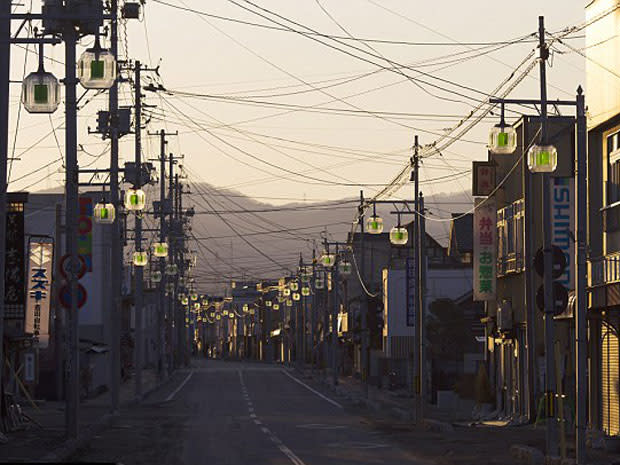
Tuesday, May 17, 2011

11/05 余録:避難した地域住民の一時帰宅はチェルノブイリ原発事故でもあった…

 避難した地域住民の一時帰宅はチェルノブイリ原発事故でもあった。着のみ着のままで避難した後、1度だけものを取りに家に戻る機会を得たのだ。ある記録者は記す。「人にとって何がいちばん大切かは後になって気づくものだ」▲人々が持ち出したのは豪華な家宝ではない。親しい人の写真、愛読した本、古い手紙、一見滑稽(こっけい)だが思い出のこもる小物などだった。「それらは深く個人的な世界、現在だけでなく、過去と未来に生きる人間の非常に傷つきやすい世界を作り上げる品々であった」▲ユーリー・シチェルバク著「チェルノブイリからの証言」からの抜粋である。福島第1原発の警戒区域からの一時避難は住民が永久的退去を強いられたチェルノブイリとは異なるが、厳重な被ばく管理の下で一時帰宅をする住民の心情には相通じるものがあるだろう▲「仏壇に水を供えたい」「アルバムと両親の位牌(いはい)を持ち帰る」「年賀状のファイルを取って来る」「猫を腹いっぱいにしてやりたい」……一時帰宅の先陣を切った住民の声である。今後、一時帰宅する住民の中には津波で行方不明の肉親の写真を取りに帰る人もいる▲原発周辺住民だけでない。この震災では津波に流された自宅の跡で肉親や知人の写真やアルバム、位牌などを探す人々の姿が心に刻まれた。災害で奪われた未来、ばらばらにされた過去と現在とをつなぎ合わせ、人々が自らの人生を取り戻すよすがとなる品々である▲「いちばん必要なものは忘れやすいものである」は先の証言集の言葉だ。人にとって本当に大切なものとは何かに改めて思いをめぐらす震災2カ月後である。

毎日新聞 2011年5月11日 東京朝刊


Sunday, May 15, 2011

13/05 “Thị trấn ma” Iitate"

Đến cuối tháng 5.2011, thị trấn miền núi Iitate với 7.000 người dân thuộc quận Fukushima - nơi từng được bầu chọn là một trong những điểm đến du lịch đẹp nhất của Nhật Bản - sẽ tham gia vào danh sách các “vùng đất chết” trên thế giới do thảm họa hạt nhân.

Như vậy sau 25 năm khi làng Pripyat của Ukraine trở thành “thị trấn ma” do sự cố hạt nhân tại Chernobyl, nay đến lượt Iitate thành “thị trấn ma” thứ hai cũng với lý do tương tự: sự cố tại nhà máy điện hạt nhân Fukushima Daiichi số 1.

Các trường học đóng cửa, máy kéo bị bỏ không, cỏ dại mọc xen lẫn lúa và bắp cải trên các cánh đồng, kệ hàng trống trong các siêu thị… tất cả mang lại cảnh hoang tàn và đầy chết chóc cho thị trấn xinh đẹp Iitate. Người dân đã rời khỏi khu vực này do lo ngại nguy cơ phóng xạ trong nước, không khí, thức ăn với tâm trạng bất mãn chính phủ vì những lời hứa đền bù không hợp lý…


Đường phố Iitate vắng lặng

Ông Shoji - 75 tuổi, đã phải rời làng cùng thái độ thất vọng và giận dữ khi chính phủ yêu cầu ông phải tiêu hủy vườn rau của gia đình, giết chết sáu con bò để cùng vợ - bà Fumi, 73 tuổi, chuyển tới thành phố Koriyama các đó khoảng 20 km. Ông nói trong nước mắt: “Tôi không biết khi nào mới được trở về nhà, tôi nghe nói là 5 năm, cũng có thể là 10 năm nhưng nhiều người nói với tôi điều đó quá lạc quan…”.

Những người giàu có, thanh niên và các bà mẹ mang thai bắt đầu rời làng để đến Tokyo hay những nơi khác. Số còn lại tụ tập mỗi ngày tại hội trường của thị trấn, cầu nguyện và nghe ngóng tin tức tình hình thảm họa.

>>> Nhật giảm bớt sự phụ thuộc vào điện hạt nhân.
>>> Nhật thông qua phương án đền bù cho dân.

Điều người dân ở Fukushima quan tâm nhất là tiền bồi thường thảm họa. Trong khi họ đang từng ngày phải đối diện với nỗi lo phóng xạ thì công ty diện lực TEPCO và Chính phủ Nhật vẫn né tránh và đùn đẩy trách nhiệm bồi thường cho nhau, như phát biểu của ông Takashi Hamasaka, một quan chức bộ Kinh tế, thương mại và công nghiệp: "Nếu chỉ là một cơn sóng thần hay động đất, Chính phủ sẽ trả tiền bồi thường. Nhưng đây lại là vấn đề sự cố hạt nhân của TEPCO nên tình hình rất khó khăn".

Iitate là khu vực chịu thiệt hại ảnh hưởng phóng xạ nặng nề nhất từ trận động đất và sóng thần kinh hoàng ngày 11.3 vừa qua tại Nhật, mặc dù thị trấn này nằm ngoài khu vực nguy hiểm có đường kính 30km xung quanh nhà máy điện hạt nhân Fukushima 1.

Tuyết Hạnh (theo Japan Times)

Wednesday, April 27, 2011

27/04 福島第1原発:迅速な情報提供を約束 西田国連大使

 1986年に旧ソ連のウクライナで起きたチェルノブイリ原発事故から25年となった26日、事故の教訓などを話し合う会合がニューヨークの国連本部で開かれ、西田恒夫国連大使は、今後も福島第1原発事故に関する情報を国際社会に迅速に提供すると約束した。

 西田大使はまた、日本政府が事故の国際評価尺度をチェルノブイリ事故と同じ「レベル7」に引き上げたのは「状況が悪化したからではなく、放射性物質の総放出量を推定するための新しいデータに基づき、国際基準に従って評価したためだ」と強調した。

 西田大使は東日本大震災後「130以上の国・地域、30以上の国際機関などから支援の意思表明があった」と謝意を示した。福島原発事故については「今後、徹底的に検証し、得られる知見や経験を最大限の透明性をもって、国際社会と共有していく」と述べた。

 さらに、国際原子力機関(IAEA)と緊密に協力し、原発の安全性向上に関する「国際的な取り組みに最大限、貢献していく」とした。

 会合は、ウクライナ国連代表部や非政府組織(NGO)が共催。西田大使はチェルノブイリ事故対策への支援国の立場で参加したが、演説の大半を福島原発事故の説明に割いた。(ニューヨーク共同)

毎日新聞 2011年4月27日 10時59分

Tuesday, April 26, 2011

25/04 チェルノブイリからフクシマへ「同じ道たどらないで」

2011年4月25日13時16分

 事故発生から満25年を26日に迎える旧ソ連・ウクライナのチェルノブイリ原発。廃炉のために運転を全面停止するスイッチを操作した職員は、「チェルノブイリは長いこと忘れられていた。フクシマは絶対に同じような道をたどって欲しくない」と訴える。

 セルゲイ・バシトーボイさん(40)。現在は広報担当者として、チェルノブイリ原発でなお働く。くしくも、チェルノブイリの1号炉を始動させたのが、やはり原発職員だった父のアレクセイさん(67)だ。

 息子のバシトーボイさんは原発の町プリピャチで育った。事故当日は、インフルエンザで学校を休み、自室で寝ていて、窓越しに原発の上空に煙が上がるのを見た。父は当時、4号炉で燃料棒の交換作業などの担当だったが、この日は休み。別の同僚が被曝(ひばく)して亡くなった。

 父の影響で原発で働くことを決心したバシトーボイさんは、ロシアの大学で物理学を学んだ。ふるさとへの思いは強く、ほかの就職先を蹴ってチェルノブイリ原発を選んだ。

 2000年12月15日。事故後も唯一稼働していた3号炉の制御室で、多くの同僚職員が見守る中、バシトーボイさんが停止スイッチをひねった。同原発で「最後の火」が消えた。始動させた父と、停止させた息子。親子とも、たまたま当番が回ってきて果たした役割だった。

 現場の人間として、老朽化した原発がどれほど危険かは理解していた。でも、自分を含めた5千人以上の職員の雇用が失われていくことがつらかった。「勤務は交代制。同じ顔ぶれと長い時間働いていて、みんな家族のようだった」

 バシトーボイさんは、福島第一原発について、こう気遣う。「一番大変なのは、今、事故の拡大を食い止めようと現場でもがいている末端の作業員たち。彼らは本当に英雄だ。フクシマでは絶対に、チェルノブイリのような人命や健康、精神的な苦痛などの犠牲を出して欲しくない」(キエフ=関根和弘)

Saturday, April 23, 2011

12/04 How does Fukushima differ from Chernobyl?

Japanese authorities have raised the severity rating of the nuclear crisis at the damaged Fukushima Daiichi power plant to the highest level, seven.

The decision reflects the ongoing release of radiation, rather than a sudden deterioration. Level seven previously only applied to the 1986 Chernobyl disaster, where 10 times as much radiation was emitted.

But most experts agree the two nuclear incidents are very different. Explore the table below to find out how they compare.

Fukushima and Chernobyl

Fukushima and Chernobyl compared

CategoryFukushima DaiichiChernobyl

SOURCE: NUCLEAR AND INDUSTRIAL SAFETY AGENCY, JAPANESE AUTHORITIES, UNSCEAR. *BECQUERELS ARE A MEASUREMENT OF RADIATION

Date of accident

11 March 2011

26 April 1986

Accident details

A magnitude-9.0 earthquake and resulting tsunami damaged the plant's power systems, causing cooling systems to fail. A series of gas explosions followed

A sudden power output surge during a systems test caused a reactor vessel to rupture, leading to a series of blasts. An intense fire burned for 10 days

Severity rating

Level 7 - major accident

Level 7 - major accident

Number of reactors

Six; but only three of concern, plus pools storing spent fuel

Four; but only one reactor involved

Type of reactors

Boiling-water reactors. Japanese authorities stress that unlike at Chernobyl, the containment vessels at Fukushima remain intact. Also, unlike Chernobyl, the reactors at Fukushima do not have a combustible graphite core

Graphite-moderated boiling water reactor. The graphite made it highly combustible. The reactor also had no containment structure and nothing stopped the trajectory of radioactive materials into the air

Radiation released

370,000 terabecquerels* (as of 12 April)

5.2 million terabecquerels*

Area affected

Officials say areas extending more than 60km (36 miles) to the north-west of the plant and about 40km to the south-southwest have seen radiation levels exceed annual limits

Contamination of an area as far as 500 km (300 miles) from the plant, according to the UN. But animals and plants were also affected much further away

Evacuation zone

20km; 20-30km voluntary zone. Five communities beyond the existing evacuation zone have also been evacuated

30km

People evacuated

Tens of thousands

The authorities evacuated, in 1986, about 115,000 people from areas surrounding the reactor and subsequently relocated, after 1986, about 220,000 people from Belarus, the Russian Federation and Ukraine

Related deaths

No deaths so far due to radiation

A UN report places the total confirmed deaths from radiation at 64 as of 2008. Disputes continue about how many will eventually die

Long-term health damage

Not yet known, but risks to human health are thought to be low

Among the residents of Belarus, the Russian Federation and Ukraine, there had been up to the year 2005 more than 6,000 cases of thyroid cancer reported in children and adolescents who were exposed at the time of the accident, and more cases can be expected during the next decades

Current status

Officials say radiation leaks are continuing and could eventually exceed those at Chernobyl. The priority is restoring adequate coolant to the fuel ponds and the reactors themselves

The damaged reactor is now encased in a concrete shell. A new containment structure is due to be completed by 2014

13/04 よみうり寸評 - Fukushima = Level 7 = Chernobyl - weak Kan

4月13日付 

 史上最悪の「レベル7」――東電福島第一原発の事故の国際評価尺度がチェルノブイリに並んだ。事故発生直後の「4」が3月18日に「5」、それがきのう「7」に◆こう発表しておいて、原子炉が爆発、作業員28人が死亡したチェルノブイリと福島とでは大違いと政府は火消しに大わらわ◆それは理解するが、〈チェルノブイリと同レベル〉は独り歩きする。深刻度評価を小出しに広げた印象。これがよろしくない。発表が遅すぎた。また後手に回ったといわれても仕方がない。同じこの日に菅首相の記者会見、釈明に追われたのも間が悪い◆「国民の皆さんに必要な情報はしっかり提供している」と首相。「しっかり」を首相はよく言うが、本当に「しっかり」だと思う人は多くはない◆「東電に今後の見通しを示すよう指示した」とも述べたが、人ごとのようにも聞こえる。その見通しなしに「一歩一歩安定化」と言われても素直にはうなずけない◆会見に具体的な話は乏しく、復興へ奮い立たせるような迫力もなかった。

(2011年4月13日13時29分 読売新聞)

13/04 編集手帳 - 「月は泣いたかロンドンの、花ふりかかるパリの雪…」 - Fukushima = level 7

4月13日付 

 「月は泣いたかロンドンの、花ふりかかるパリの雪…」。無声映画の活動弁士は昔、この種の言い回しを多用したらしい。語調がよくて聞き流してしまうのだが、意味のよく分からない文句である◆似た例は、いまの世にもある。「想定外を想定せよ」。大震災が起きて以降、新聞の言説で、テレビに登場した識者の論評で、あるいは統一地方選の街頭演説で幾度か目にし、耳にした◆「想定外」は想定した時点で「想定内」であり、どこまでいっても想定外は想定できない。内容の空疎な名調子にすがらねばならないほどに防災の備えはむずかしい、ということだろう◆想定外の大津波で電気系統に想定外の破損が生じた福島第一原子力発電所は最悪の「レベル7」、チェルノブイリ級の深刻な事故だという。その数字にうろたえても仕方がない。全力で放射能を封じ込めるのみだろう◆意味のおかしな名調子は浪花節にもある。「利根の川風、たもとに入れて、ブラリ、ブラリと急ぎ足…」(天保六花撰)。心に“ブラリ”の落ち着きを忘れず、足は危機脱出へ急ぐ――いまをどう生きるかの教えに聞こえなくもない。

(2011年4月13日01時14分 読売新聞)

23/04 余録:危機の中の「チェルノブイリ25年」

 その日は初夏の陽光に輝く素晴らしい土曜日だった。週末はメーデー休暇へと続き、人々はうきうきと水泳、日光浴、ピクニック、ボート遊びを楽しみ、野外結婚式も行われた。1986年4月26日、旧ソ連のプリピャチ市のことである▲市近くの原発が爆発したのはその日未明だ。だが「子供を外に出すな」と指示が出て「3日間」の避難が始まったのは翌日だった。ある夫婦の話だ。「何日くらいかしら?」「おそらく永久だ」「でもメーデーのパレードはどうなるの?」「メーデーなんて中止だ」▲そのチェルノブイリ原発事故から25年、プリピャチは今も廃虚のままだ。その間に「グラスノスチ(情報公開)」が始まったソ連は崩壊したが、過去と将来にわたり数千とも数万ともいわれる被ばくによる死は現在も続く▲こう聞けば事故評価「レベル7」と認定された福島第1原発事故が二重写しとなって心が騒ぐのも仕方ない。チェルノブイリのような原子炉の爆発はなく、放射性物質の放出量も10分の1という福島だが、一方で4基の異常が長期化しているという別種の危惧もある▲立ち入りが禁止された警戒区域や計画的避難区域の住民にとって、今なお周囲30キロが居住禁止になっているチェルノブイリの悪夢の再現だけは避けねばならない。また消防士ら多数の犠牲を出したチェルノブイリを振り返れば、人の被害を出さない事故収束も課題だ▲かつては生命や自由を軽んじる体制の崩壊のきっかけとなった原発事故である。一人の犠牲も出さず、一刻も早い危機克服と地域の再建をなしとげるのは、全世界が息を詰めて見守る文明史的挑戦だ。毎日新聞 2011年4月23日 0時12分